


วัสดุจำนวนมากมาตรฐานหรือแบบกำหนดเอง
อะไรจะดีไปกว่าสำหรับโครงการของคุณ?
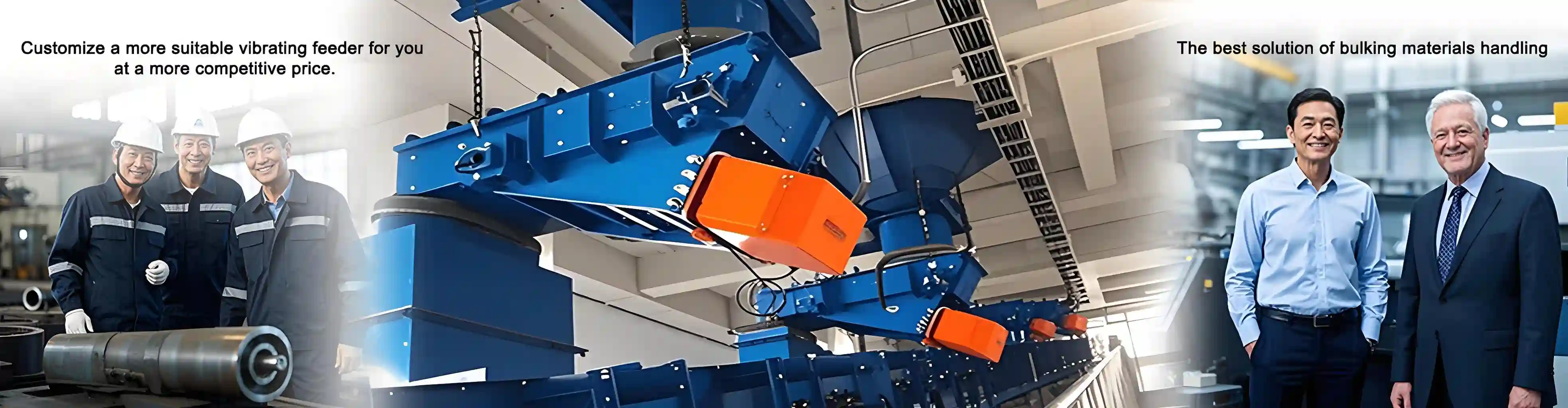
เครื่องป้อนแบบสั่นเป็นเครื่องจักรสำคัญที่มีประสิทธิภาพสูงและช่วยในการลำเลียงวัสดุ ออกแบบมาเพื่อลำเลียงวัสดุที่เป็นก้อน เม็ด หรือผงอย่างต่อเนื่องและสม่ำเสมอ เช่น แร่ ซีเมนต์ ธัญพืช หรือวัตถุดิบทางเคมี จากถังพัก ไซโล หรือถังเก็บ ไปยังอุปกรณ์แปรรูปขั้นต่อไป เช่น เครื่องบด เครื่องคัดแยก หรือเครื่องผสม แม้ว่าโครงสร้างของเครื่องป้อนแบบสั่นจะค่อนข้างเรียบง่าย แต่ก็สามารถแตกต่างกันไปอย่างมากขึ้นอยู่กับสถานการณ์การใช้งานที่แตกต่างกัน บทความนี้จะพาคุณไปรู้จักกับประเภทต่างๆ ของเครื่องป้อนแบบสั่น
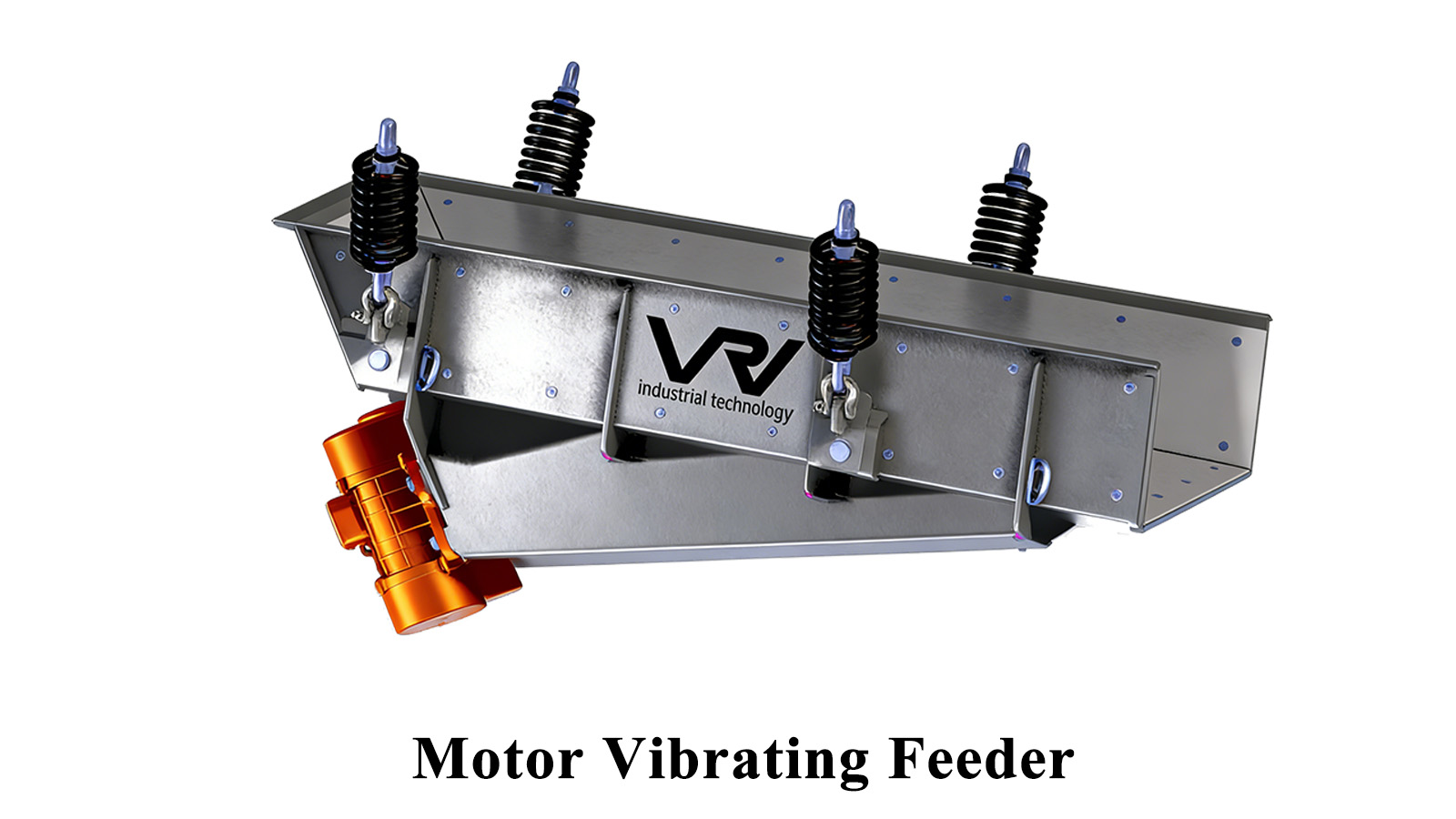
เครื่องป้อนวัสดุแบบสั่นสะเทือนด้วยมอเตอร์เป็นเครื่องจักรประสิทธิภาพสูงในอุตสาหกรรม โดยใช้มอเตอร์สั่นสะเทือนเป็นแหล่งกระตุ้นในการลำเลียงวัสดุจำนวนมาก สามารถป้อนวัสดุที่หลวม เช่น บล็อก เม็ด และผง จากถังเก็บหรือกรวยไปยังอุปกรณ์ปลายทาง เช่น เครื่องบด เครื่องคัดแยก หรือสายพานลำเลียงได้อย่างสม่ำเสมอ ต่อเนื่อง และเป็นปริมาณที่แม่นยำ มีโครงสร้างที่เรียบง่าย ประกอบด้วยส่วนประกอบหลัก ได้แก่ ราง มอเตอร์สั่นสะเทือน และสปริงดูดซับแรงกระแทก รองรับการติดตั้งทั้งแบบแขวนและแบบวาง เพื่อความสามารถในการปรับให้เข้ากับสภาพการทำงานที่ซับซ้อน ด้วยความเข้มและความถี่ของการสั่นสะเทือนที่ปรับได้ผ่านมอเตอร์แปลงความถี่ (อุปกรณ์เสริม) ทำให้มั่นใจได้ถึงการป้อนวัสดุที่เสถียรและละเอียดอ่อน พร้อมทั้งมีค่าบำรุงรักษาต่ำและอายุการใช้งานยาวนาน มีการใช้งานอย่างแพร่หลายในอุตสาหกรรมเหมืองแร่ โลหะวิทยา ถ่านหิน วัสดุก่อสร้าง เคมี และพลังงานไฟฟ้า เครื่องป้อนวัสดุที่เชื่อถือได้นี้ช่วยเพิ่มประสิทธิภาพของสายการผลิตโดยการป้องกันการอุดตันของอุปกรณ์และทำให้การไหลของวัสดุมีเสถียรภาพ
คุณสมบัติ
1. ความจุในการป้อนอาหารสูง
2. โครงสร้างที่เรียบง่าย
บำรุงรักษาง่ายและรวดเร็ว
3. ความสามารถในการปรับตัวสูง
4. ประหยัดพลังงาน
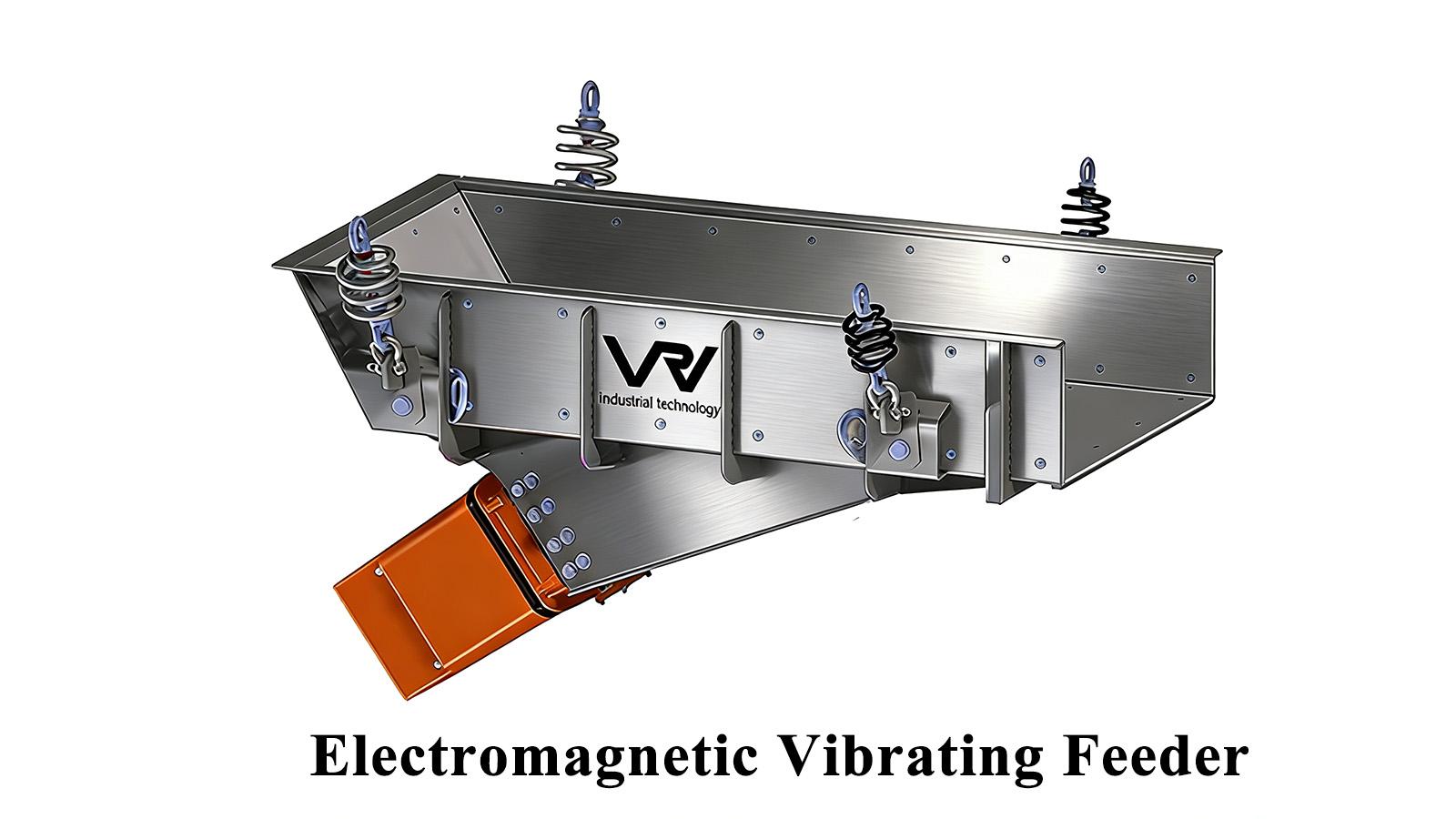
เครื่องป้อนแบบสั่นสะเทือนด้วยสนามแม่เหล็กไฟฟ้าเป็นเครื่องป้อนอัตโนมัติที่ขับเคลื่อนถาดหรือท่อให้สั่นสะเทือนไปมาโดยอาศัยตัวสั่นแม่เหล็กไฟฟ้า สามารถลำเลียงวัสดุที่เป็นก้อน เม็ด หรือผง จากถังเก็บไปยังอุปกรณ์รับได้อย่างสม่ำเสมอ ปริมาณแม่นยำ และต่อเนื่อง มีโครงสร้างที่เรียบง่าย ไม่จำเป็นต้องใช้สารหล่อลื่น ใช้พลังงานต่ำ และสามารถปรับปริมาณการป้อนได้แบบไร้ขั้น สามารถควบคุมกระบวนการผลิตได้โดยอัตโนมัติ และใช้กันอย่างแพร่หลายในอุตสาหกรรมต่างๆ เช่น เหมืองแร่ โลหะวิทยา ถ่านหิน วิศวกรรมเคมี พลังงานไฟฟ้า และธัญพืช
|
คุณสมบัติ |
|
1. การป้อนวัสดุที่แม่นยำ ปรับระดับปริมาณการผลิตได้อย่างต่อเนื่อง |
|
2. ประหยัดพลังงาน ใช้พลังงานต่ำ |
|
3. โครงสร้างเรียบง่าย ติดตั้งและบำรุงรักษาง่าย |
|
4. การจัดการวัสดุอย่างอ่อนโยน อัตราการแตกหักต่ำ |
|
5. เสียงรบกวนและฝุ่นละอองต่ำ เป็นมิตรต่อสิ่งแวดล้อม |
|
6. ตอบสนองการเริ่มและหยุดอย่างรวดเร็ว เหมาะสำหรับระบบอัตโนมัติ |
|
7. ไม่มีชิ้นส่วนสึกหรอ ใช้งานได้ยาวนาน ชีวิต. |
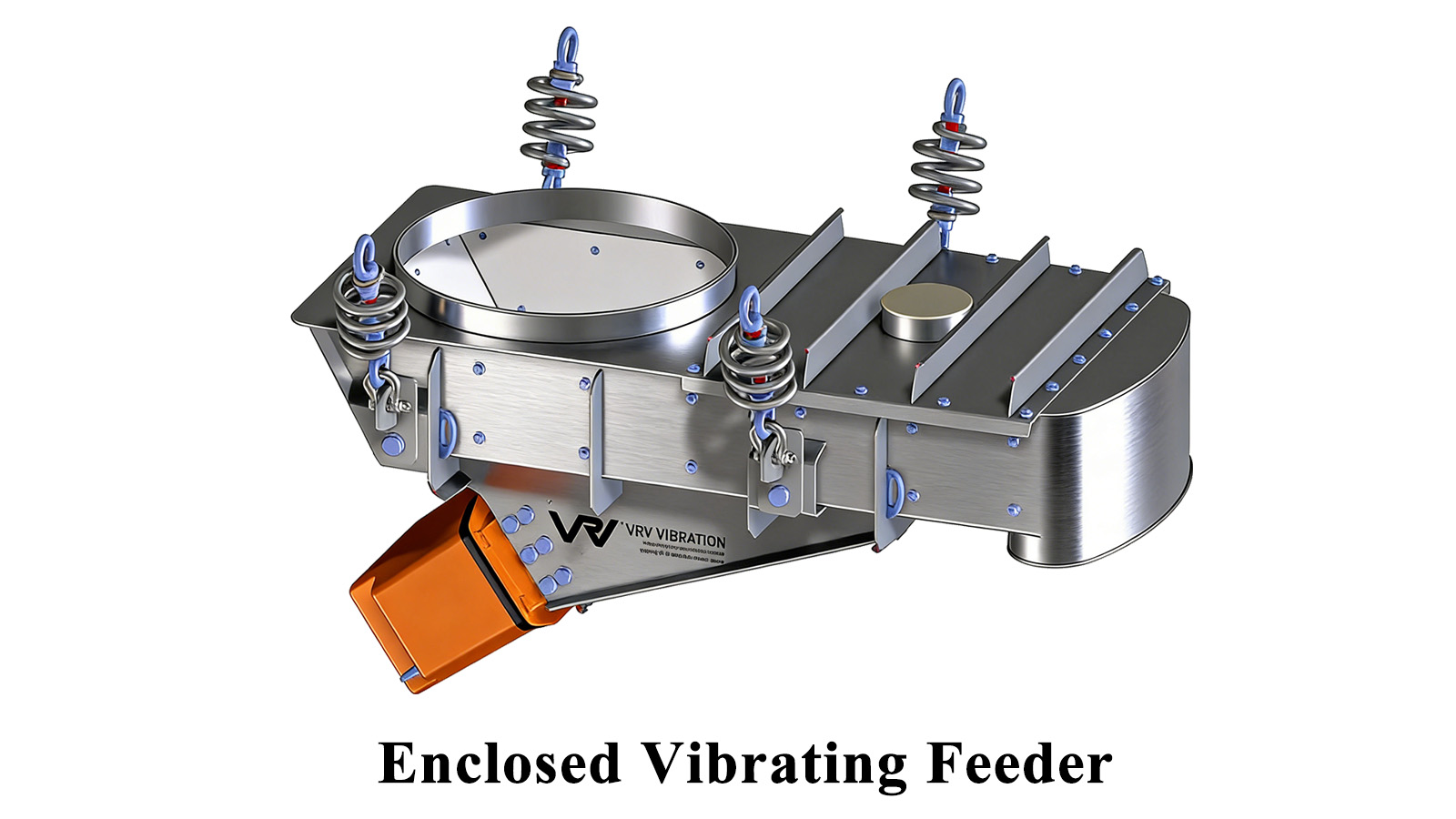
ความแตกต่างที่สำคัญที่สุดระหว่างเครื่องป้อนแบบสั่นชนิดปิดและเครื่องป้อนแบบสั่นชนิดเปิดอยู่ที่โครงสร้างรางแบบปิดหรือไม่ เครื่องป้อนแบบสั่นชนิดปิดมีรางที่ปิดสนิทซึ่งสามารถปิดล้อมรางและพื้นที่ลำเลียงวัสดุได้อย่างสมบูรณ์ สิ่งนี้สามารถป้องกันฝุ่นละอองจากการฟุ้งกระจายระหว่างการลำเลียงวัสดุ ลดการแพร่กระจายของเสียง และหลีกเลี่ยงสิ่งเจือปนภายนอกไม่ให้ปะปนกับวัสดุได้อย่างมีประสิทธิภาพ เหมาะสำหรับสถานการณ์ในอุตสาหกรรมเหมืองแร่ อุตสาหกรรมเคมี วัสดุก่อสร้าง ฯลฯ ที่ต้องการความสะอาดของสิ่งแวดล้อม ความบริสุทธิ์ของวัสดุ หรือการควบคุมเสียงรบกวนสูง เครื่องป้อนแบบสั่นชนิดปิดสามารถใช้มอเตอร์สั่นหรือตัวสั่นแม่เหล็กไฟฟ้าเป็นแหล่งพลังงานในการขับเคลื่อนการลำเลียงวัสดุแบบสั่นได้
|
คุณสมบัติ |
|
1. โครงสร้างแบบปิดสนิท : การป้องกันฝุ่น/การรั่วไหล |
|
2. การให้อาหารอย่างสม่ำเสมอ : การจัดส่งที่สม่ำเสมอและต่อเนื่อง |
|
3. ประหยัดพลังงาน : ประสิทธิภาพสูง สูญเสียพลังงานต่ำ |
|
4. ความสามารถในการปรับตัวสูง : เอ็ม ความเข้ากันได้ของวัสดุหลายชนิด |
|
5. บำรุงรักษาง่าย : ชิ้นส่วนสึกหรอน้อย ซ่อมแซมง่าย |
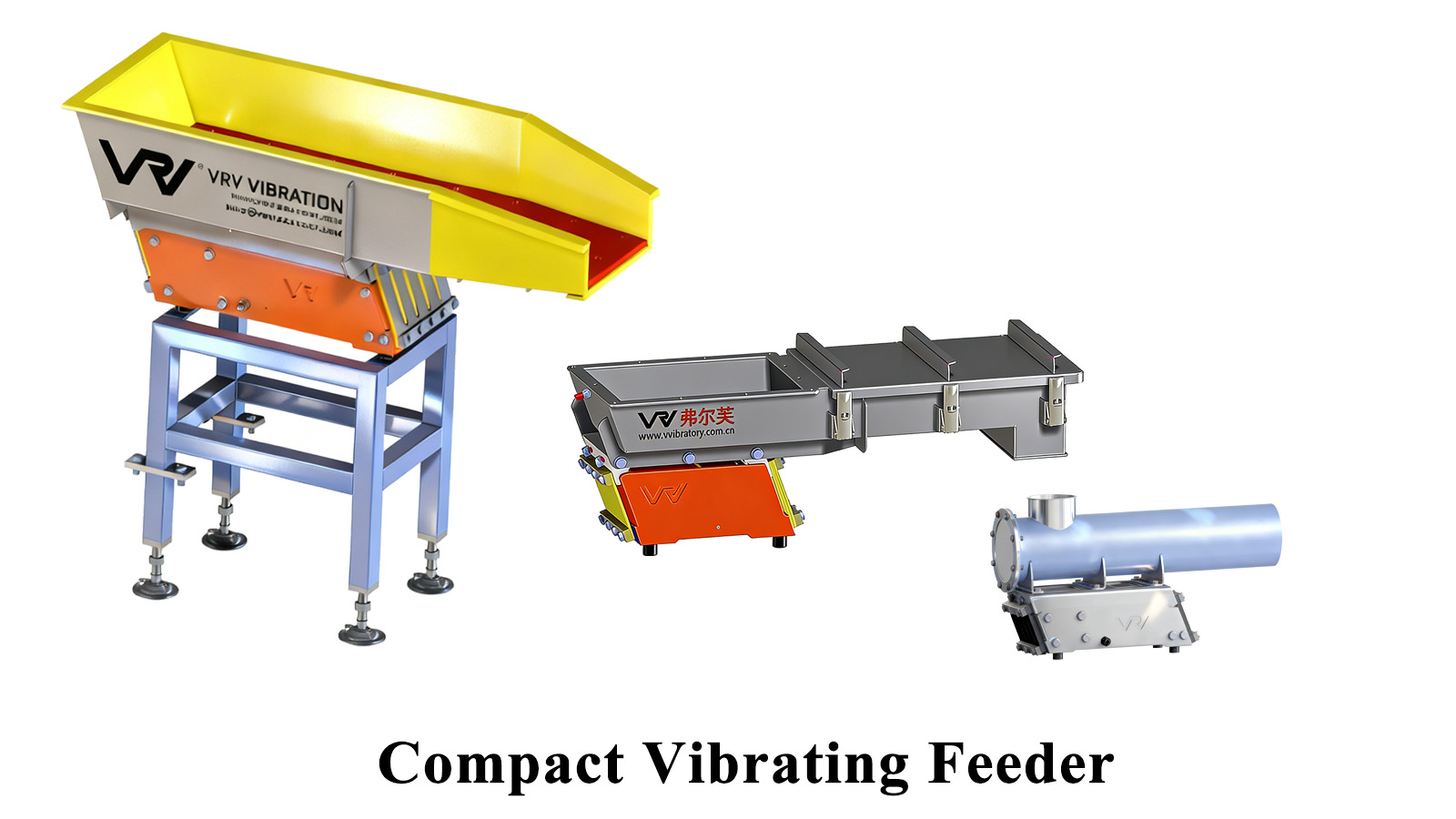
เครื่องป้อนวัสดุแบบสั่นขนาดกะทัดรัดเป็นอุปกรณ์ลำเลียงวัสดุที่มีขนาดเล็กและโครงสร้างกะทัดรัด มักติดตั้งตัวสั่นแม่เหล็กไฟฟ้าแบบตั้งพื้นเป็นแหล่งพลังงาน โดยใช้การสั่นเพื่อป้อนวัสดุ เช่น เม็ดและผง อย่างสม่ำเสมอและต่อเนื่อง เหมาะสำหรับสายการผลิตที่มีพื้นที่จำกัด มีคุณสมบัติในการติดตั้งที่ยืดหยุ่น การใช้พลังงานต่ำ และความแม่นยำในการป้อนที่ควบคุมได้ จึงมีการใช้งานอย่างแพร่หลายในขั้นตอนการเตรียมวัสดุหรือการลำเลียงวัสดุในอุตสาหกรรมต่างๆ เช่น เหมืองแร่ วิศวกรรมเคมี และอาหาร
|
คุณสมบัติ |
|
1. แบบตั้งพื้น - ติดตั้งแล้ว ไม่ต้องใช้ฐานรองเพิ่มเติม |
|
2. เนื่องจากไม่มีชิ้นส่วนหมุน จึงมีอายุการใช้งานยาวนานและไม่ต้องบำรุงรักษา |
|
3. ด้วยโครงสร้างที่กะทัดรัด จึงใช้พื้นที่น้อยและใช้งานง่าย |
|
4. การทำงานที่เสถียร |
|
5. ควบคุมได้อย่างแม่นยำสูง สามารถเริ่มและหยุดการทำงานได้โดยไม่ล่าช้า |
|
6. เสียงรบกวนต่ำและการใช้พลังงานต่ำ |
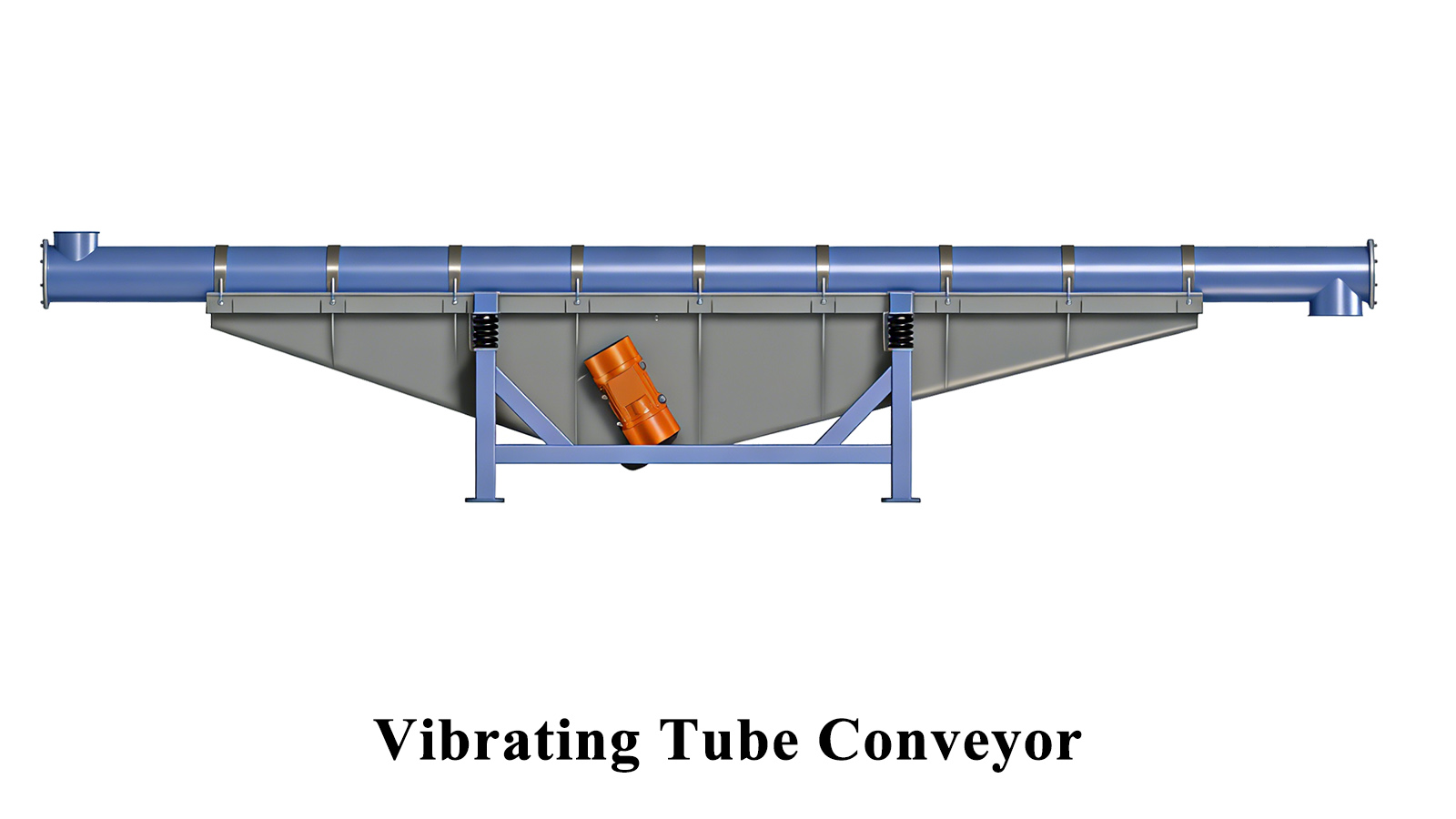
สายพานลำเลียงแบบท่อสั่นเป็นเครื่องป้อนวัสดุอย่างต่อเนื่องที่ขับเคลื่อนด้วยการสั่นสะเทือน ส่วนประกอบหลักได้แก่ รางท่อปิดผนึก มอเตอร์สั่น (หรือตัวกระตุ้น) อุปกรณ์รองรับแบบยืดหยุ่น เป็นต้น แรงกระตุ้นในทิศทางเดียวที่เกิดจากมอเตอร์สั่นทำให้ผง เม็ด หรือวัสดุขนาดเล็กในตัวรางท่อเคลื่อนที่แบบเหวี่ยงหรือเลื่อนอย่างต่อเนื่อง จึงทำให้การลำเลียงและการป้อนวัสดุจากช่องป้อนไปยังช่องปล่อยเป็นไปอย่างราบรื่นและได้ปริมาณที่แม่นยำ เครื่องป้อนวัสดุแบบท่อชนิดนี้สืบทอดข้อดีของอุปกรณ์แบบท่อ เช่น การปิดผนึกกันฝุ่น โครงสร้างกะทัดรัด และใช้พื้นที่น้อย ในขณะเดียวกัน ด้วยลักษณะการทำงานที่ขับเคลื่อนด้วยการสั่นสะเทือน โอกาสการอุดตันของวัสดุจึงลดลง นอกจากนี้ ปริมาณการป้อนวัสดุยังสามารถควบคุมได้อย่างแม่นยำโดยการปรับความถี่หรือแอมพลิจูดของการสั่นสะเทือน เมื่อเทียบกับเครื่องป้อนวัสดุแบบท่อชนิดสกรูแล้ว เครื่องป้อนวัสดุแบบท่อชนิดนี้ไม่มีส่วนประกอบภายใน ชิ้นส่วนที่หมุนได้ (เช่น ใบพัดสกรู) ส่งผลให้สึกหรอน้อยลงและบำรุงรักษาง่ายขึ้น ทำให้เหมาะสมยิ่งขึ้นสำหรับการลำเลียงวัสดุที่มักเกาะติดและอุดตัน
|
คุณสมบัติ |
|
1. การป้อนวัสดุอย่างต่อเนื่อง: ช่วยให้สามารถป้อนวัสดุได้อย่างต่อเนื่อง |
|
2. การออกแบบแบบปิดสนิท: ช่วยป้องกันฝุ่นละอองและกันฝุ่นได้อย่างดีเยี่ยม |
|
3. โครงสร้างกะทัดรัด: ใช้พื้นที่น้อย |
|
4. การทำงานแบบใช้แรงสั่นสะเทือน: ช่วยลดการอุดตันของวัสดุ |
|
5. การควบคุมที่แม่นยำ: ปรับปริมาณการป้อนอาหารผ่านการสั่นสะเทือน |
|
6. สึกหรอน้อย: ไม่มีชิ้นส่วนหมุนภายใน จึงสึกหรอน้อยกว่า |
|
7. บำรุงรักษาง่าย: ดูแลรักษาง่าย |
สายพานลำเลียงแบบสั่นสะเทือนยาว เป็นอุปกรณ์ลำเลียงระยะไกลประสิทธิภาพสูง ออกแบบมาสำหรับการลำเลียงผง เม็ด และวัสดุจำนวนมากในแนวนอนและแนวเอียงเล็กน้อย ขับเคลื่อนด้วยมอเตอร์สั่นสะเทือน ทำให้วัสดุไหลได้อย่างเสถียรและสม่ำเสมอ มีเสียงรบกวนต่ำ และบำรุงรักษาง่าย โครงสร้างแบบปิดสนิทช่วยป้องกันฝุ่นละอองและการปนเปื้อนของวัสดุได้อย่างมีประสิทธิภาพ และมีการใช้งานอย่างแพร่หลายในอุตสาหกรรมเหมืองแร่ วัสดุก่อสร้าง เคมีภัณฑ์ อาหาร และอุตสาหกรรมอื่นๆ เรามีรุ่นที่ปรับแต่งได้ตามความยาว วัสดุ (เหล็กอ่อน สแตนเลส 304/316L) และความสามารถในการลำเลียงที่แตกต่างกัน เพื่อให้ตรงกับสภาพการทำงานต่างๆ
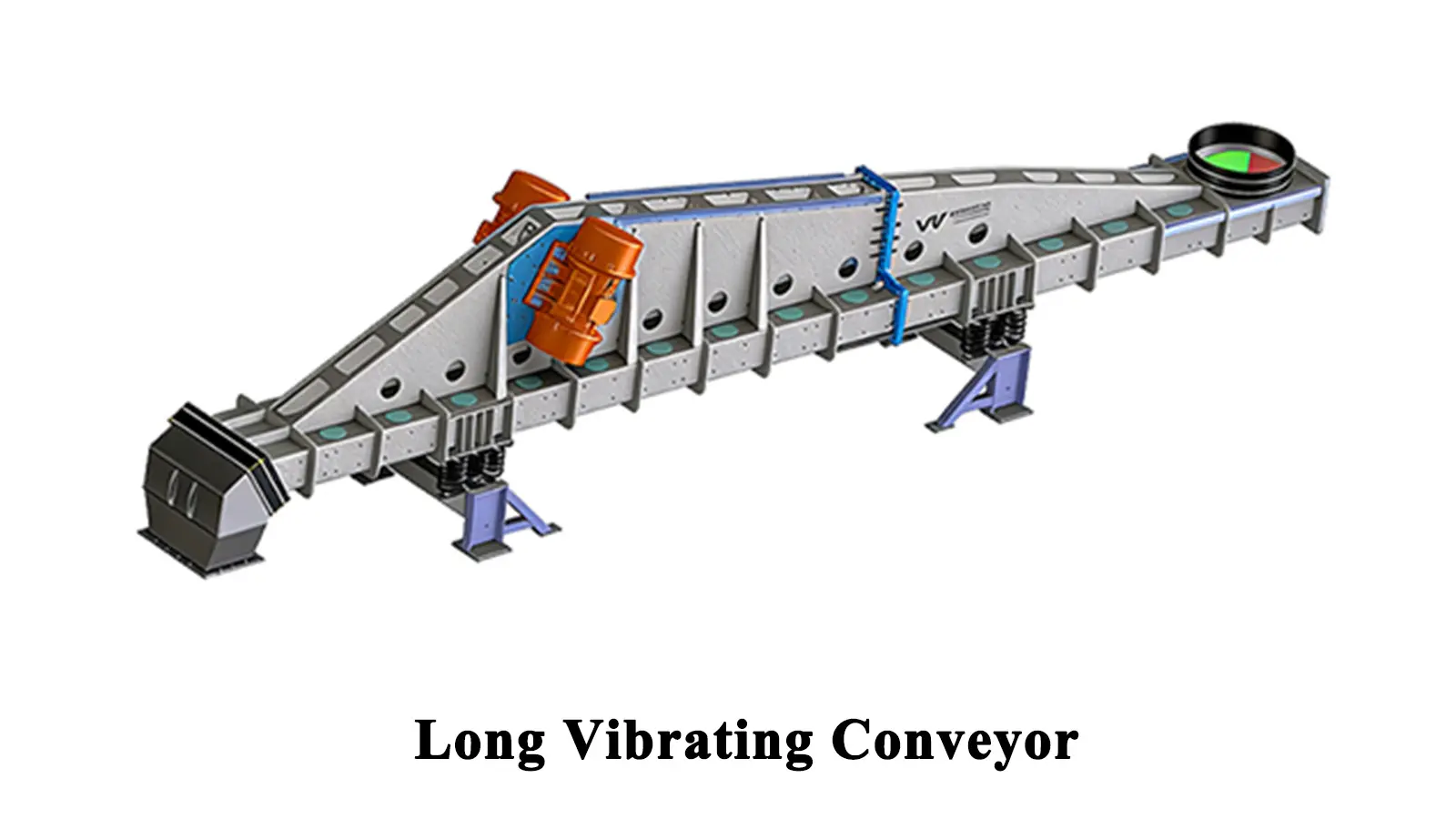
สายพานลำเลียงแบบสั่นสะเทือนยาว สำหรับลำเลียงวัสดุจำนวนมากในระยะทางไกล
|
คุณสมบัติ |
|
1. เหมาะสำหรับการลำเลียงวัสดุในระยะทางไกลในแนวราบและแนวเอียงเล็กน้อย |
|
2. ช่วยให้การไหลของวัสดุมีความเสถียรและสม่ำเสมอ โดยมีเสียงรบกวนขณะทำงานต่ำ |
|
3. โครงสร้างแบบปิดสนิทช่วยป้องกันฝุ่นละอองและการปนเปื้อนของวัสดุ |
|
4. สามารถนำไปประยุกต์ใช้กับวัสดุประเภทผง เม็ด และวัสดุจำนวนมากในอุตสาหกรรมหลากหลายประเภท |
|
5. สามารถปรับแต่งความยาว ขนาด และวัสดุได้ตามสภาพการทำงานที่แตกต่างกัน |
7. สายพานลำเลียงแบบสั่นสองทิศทาง
สายพานลำเลียงแบบสั่นสองทิศทางเป็นอุปกรณ์ป้อนวัสดุแบบกำหนดทิศทางประสิทธิภาพสูง ออกแบบมาพร้อมช่องปล่อยวัสดุสองช่อง สามารถสลับทิศทางการลำเลียงได้อย่างยืดหยุ่นตามความต้องการในการผลิตจริง โดยลำเลียงวัสดุไปยังทิศทางที่ต้องการเท่านั้น ทีละทิศทาง ขับเคลื่อนด้วยมอเตอร์แม่เหล็กไฟฟ้าหรือมอเตอร์สั่นสะเทือน ทำให้มั่นใจได้ถึงการไหลของวัสดุที่เสถียร สม่ำเสมอ และปรับได้ ช่วยประสานการจัดหาวัสดุระหว่างขั้นตอนการผลิตหรืออุปกรณ์แปรรูปต่างๆ ได้อย่างมีประสิทธิภาพ ด้วยโครงสร้างที่กะทัดรัดและเหมาะสม จึงใช้กันอย่างแพร่หลายในอุตสาหกรรมเหมืองแร่ โลหะวิทยา วัสดุก่อสร้าง อุตสาหกรรมเคมี ธัญพืช และระบบการจัดการวัสดุจำนวนมากอื่นๆ
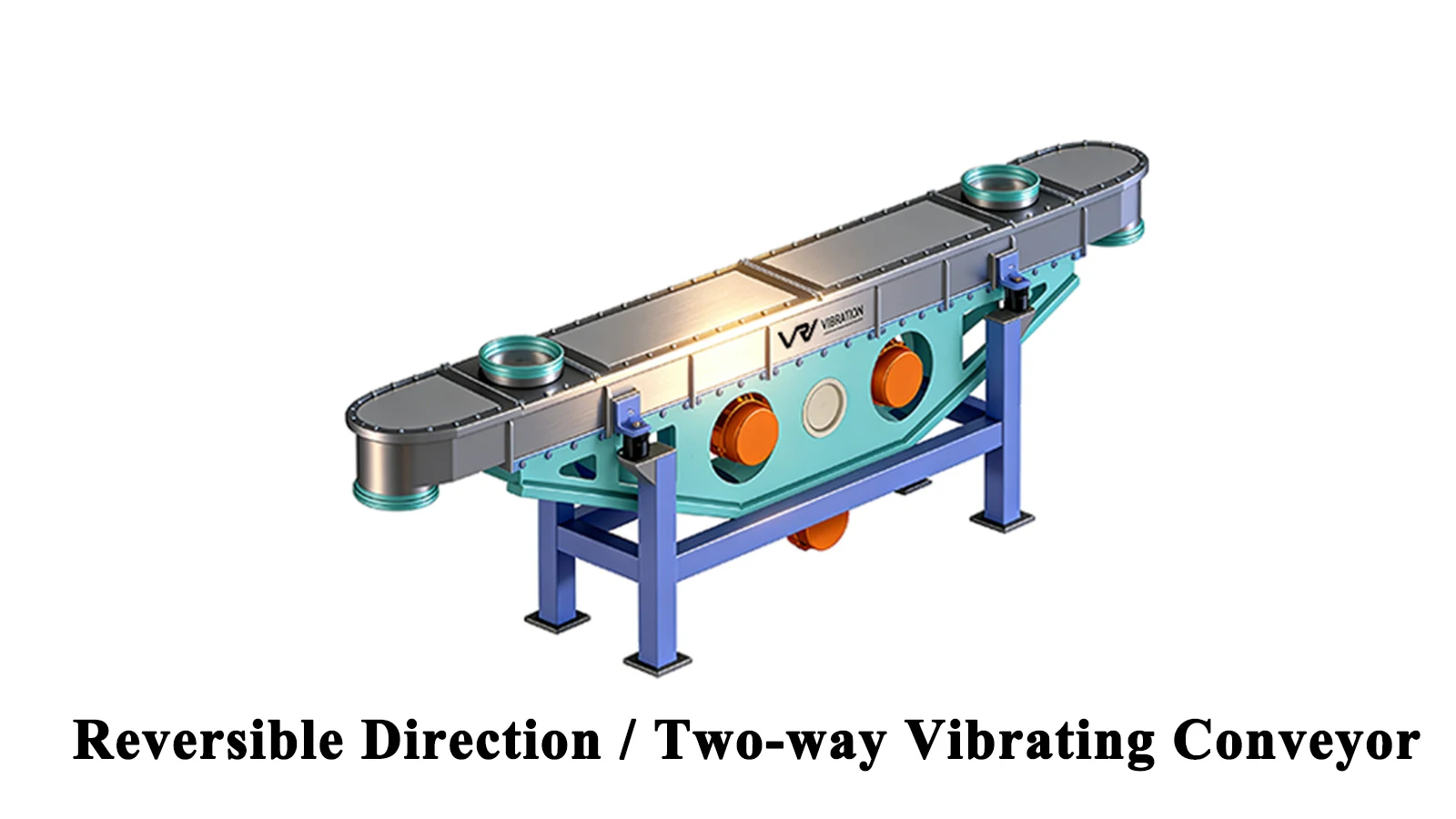
เครื่องป้อนวัสดุแบบสั่นสองทิศทาง พร้อมช่องปล่อยวัสดุคู่ สำหรับการป้อนวัสดุแบบกำหนดทิศทาง
|
คุณสมบัติ |
|
1. มีช่องจ่ายน้ำออกสองช่องและรองรับการสลับทิศทางได้อย่างยืดหยุ่น ง. |
|
2. ลำเลียงวัสดุไปในทิศทางเดียวในแต่ละครั้ง เพื่อการป้อนวัสดุที่เสถียรและแม่นยำ |
|
3. ให้การไหลของวัสดุที่สม่ำเสมอและปรับได้ พร้อมการทำงานที่ราบรื่นและเชื่อถือได้ |
|
4. โครงสร้างที่กะทัดรัดช่วยประหยัดพื้นที่จัดวางและเพิ่มประสิทธิภาพการกำหนดค่าระบบการผลิต |
|
5. เหมาะสำหรับวัสดุผง เม็ด และก้อนขนาดใหญ่ในอุตสาหกรรมต่างๆ |
หากคุณต้องการทราบข้อมูลเพิ่มเติมเกี่ยวกับ เครื่องป้อนแบบสั่น โปรดคลิกที่นี่เพื่อดาวน์โหลด VRV แคตตาล็อกสินค้า .
โทรหาเรา :
008617855911791 อีเมล : sales@vrvibratory.com


 รองรับเครือข่าย ipv6