




วัสดุจำนวนมากมาตรฐานหรือแบบกำหนดเอง
อะไรจะดีไปกว่าสำหรับโครงการของคุณ?
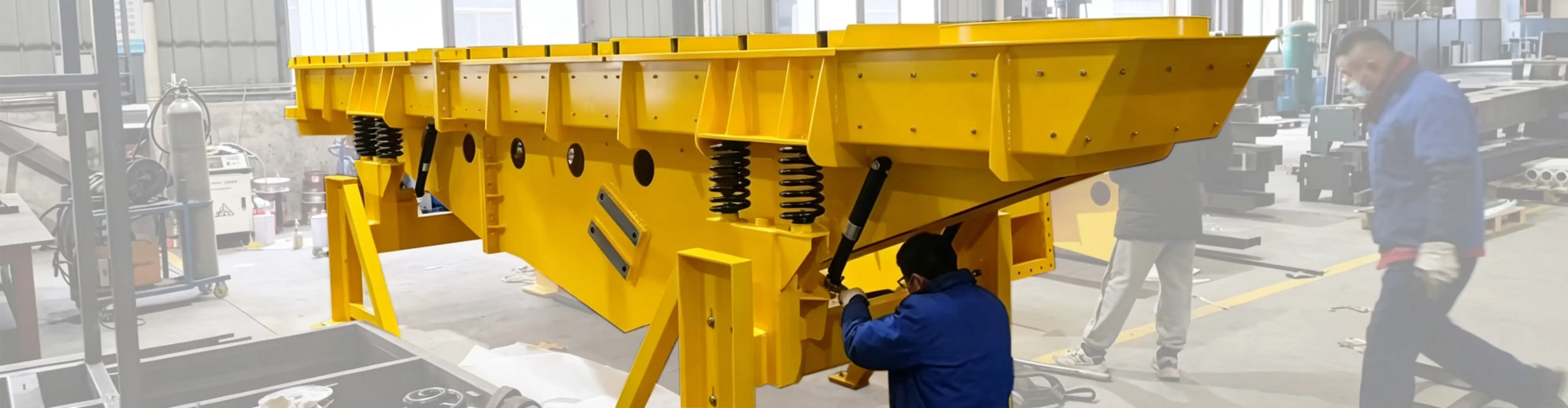
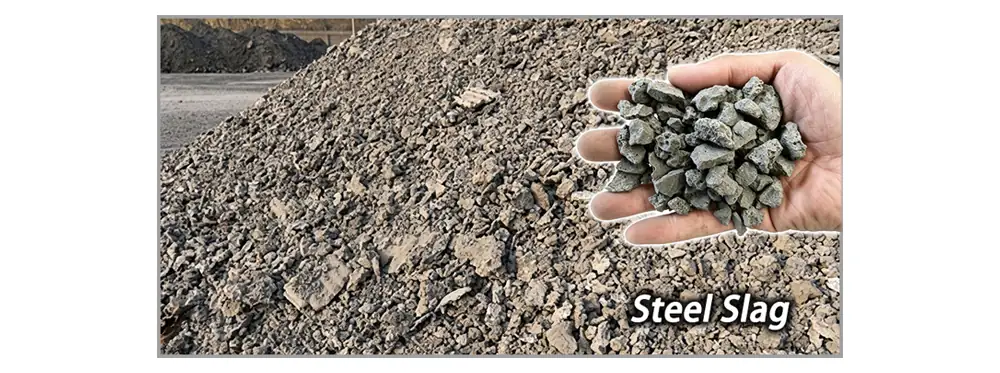
ตะกรันเหล็กเป็นผลพลอยที่ไม่สามารถหลีกเลี่ยงได้ซึ่งเกิดขึ้นในกระบวนการผลิตเหล็ก เนื่องจากมีอนุภาคเหล็กโลหะจำนวนมาก โรงงานแปรรูปตะกรันเหล็กจึงต้องพึ่งพาการแยกด้วยแม่เหล็กอย่างมากเพื่อนำวัสดุเหล็กที่สามารถนำกลับมาใช้ใหม่ได้ เปลี่ยนของเสียจากอุตสาหกรรมให้เป็นทรัพยากรที่ขายได้ อย่างไรก็ตาม โรงงานแปรรูปหลายแห่งประสบปัญหาคอขวดทั่วไปก่อนถึงเครื่องแยกด้วยแม่เหล็ก นั่นคือ การป้อนวัสดุที่ไม่สม่ำเสมอ หากกองตะกรันเหล็กจำนวนมากถูกป้อนลงบนลูกกลิ้งแม่เหล็กเป็นชั้นหนา สนามแม่เหล็กจะไม่สามารถแทรกซึมเข้าไปในชั้นวัสดุได้อย่างเต็มที่ เศษเหล็กที่มีค่าจะยังคงปะปนอยู่กับตะกรันที่ไม่ใช่แม่เหล็ก ทำให้ลดอัตราการกู้คืนโลหะและลดผลกำไรของโรงงาน นี่คือจุดที่ระบบการแยกด้วยแม่เหล็กที่ออกแบบมาอย่างดีเข้ามามีบทบาทสายพานลำเลียงแบบสั่นสะเทือนด้วยแม่เหล็กไฟฟ้านำมาซึ่งการปรับปรุงที่เห็นได้ชัดต่อกระบวนการจัดการตะกรันของคุณ
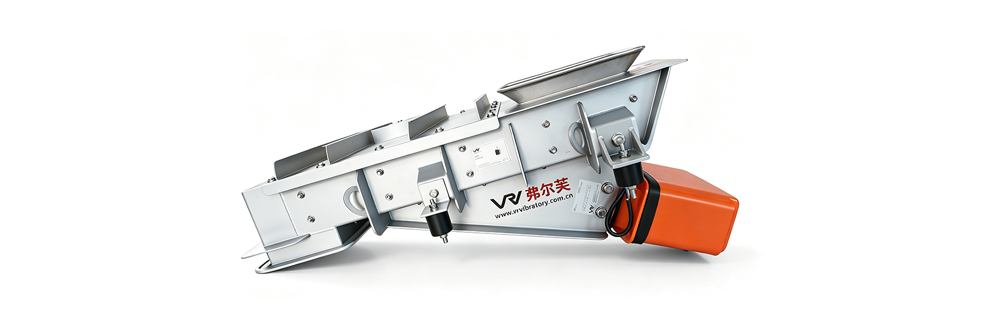
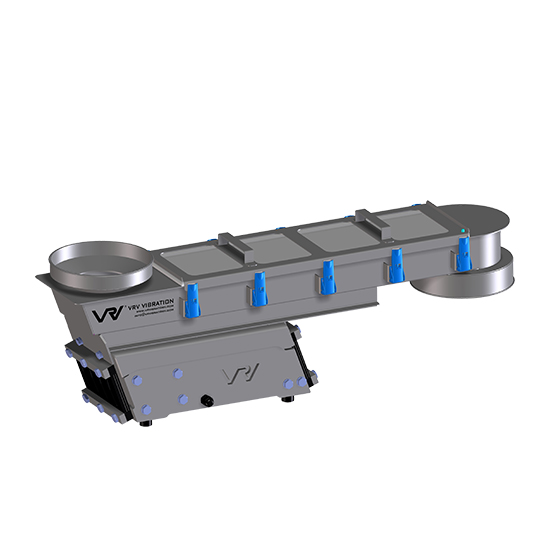
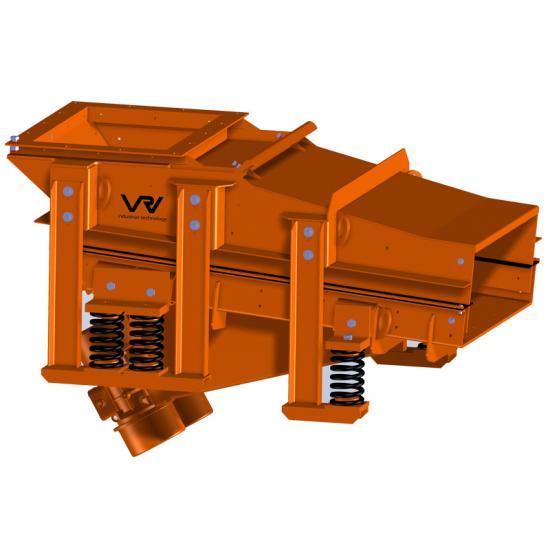
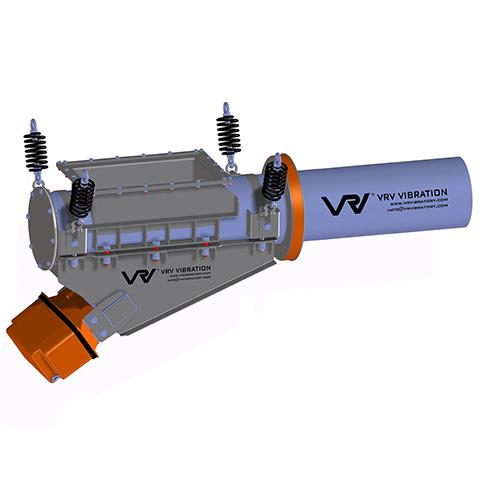
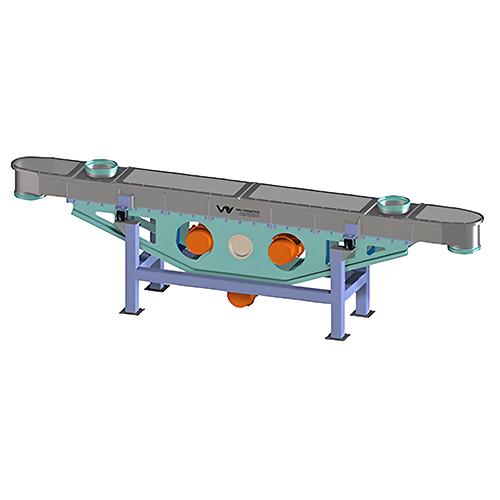
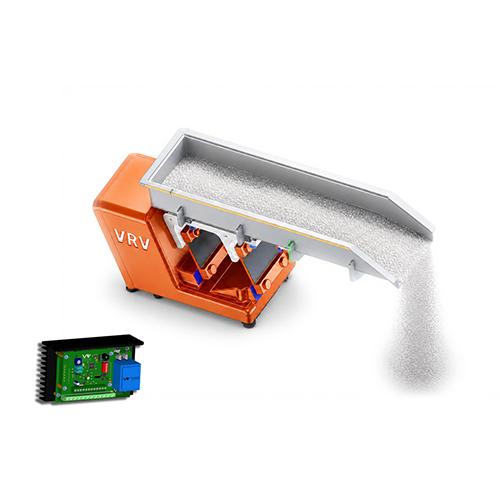
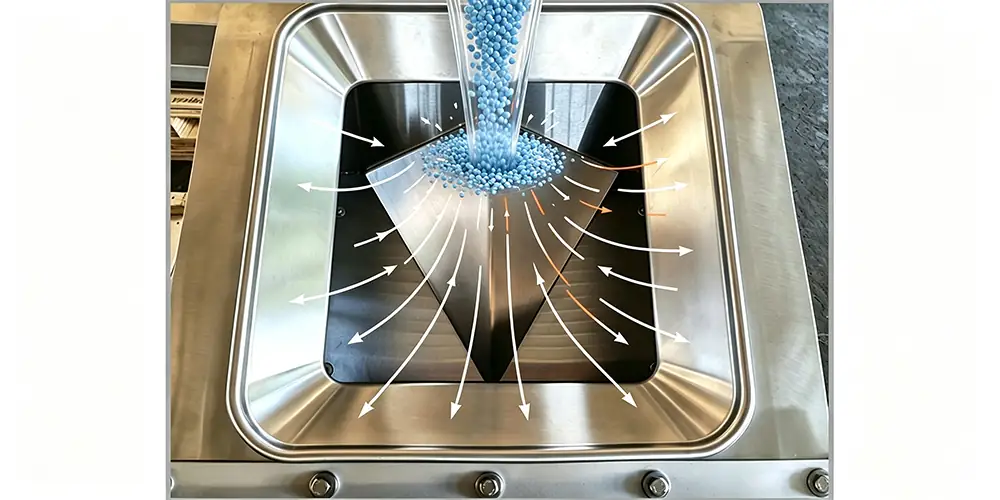
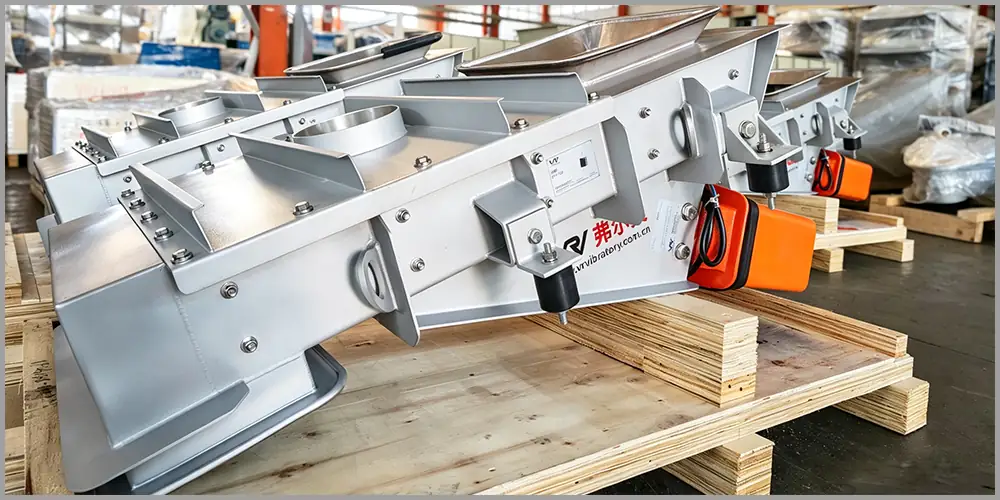
เราได้ปรับปรุงให้ดียิ่งขึ้นไปอีกสายพานลำเลียงแบบสั่นสะเทือนด้วยแม่เหล็กไฟฟ้าออกแบบมาโดยเฉพาะสำหรับการใช้งานกับตะกรันเหล็ก โครงสร้างกระจายวัสดุรูปทรงกรวยที่ออกแบบมาเป็นพิเศษจะอยู่ใต้ช่องป้อนวัสดุโดยตรง เมื่อตะกรันเหล็กที่มีฤทธิ์กัดกร่อนตกลงมาจากถังพักด้านบน ส่วนประกอบรูปทรงกรวยนี้จะกระจายวัสดุที่เข้ามาออกไปด้านข้าง ช่วยขจัดปัญหาการสะสมของวัสดุในบริเวณใดบริเวณหนึ่ง และป้องกันการกองทับถมหนาแน่นในจุดเดียวบนรางลำเลียง เมื่อรวมกับการสั่นสะเทือนด้วยสนามแม่เหล็กไฟฟ้าอย่างอ่อน ตะกรันเหล็กจะกระจายตัวอย่างสม่ำเสมอไปตามความกว้างทั้งหมดของรางลำเลียงที่สั่นสะเทือนก่อนที่จะปล่อยลงสู่เครื่องแยกแม่เหล็ก ไม่มีการกระชากของวัสดุ ไม่มีกองวัสดุหนาเป็นก้อนกระแทกลูกกลิ้งแม่เหล็ก
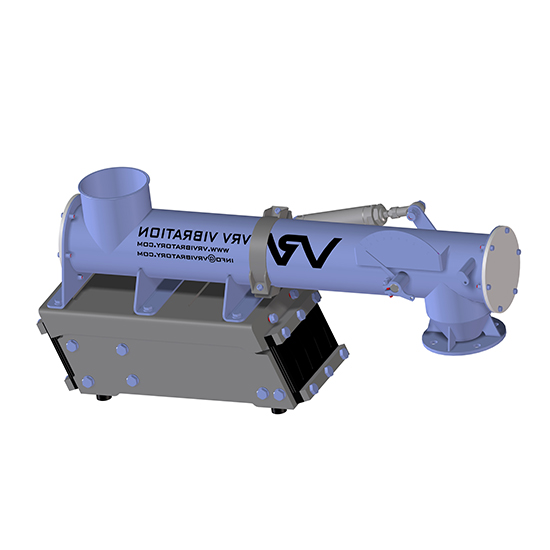
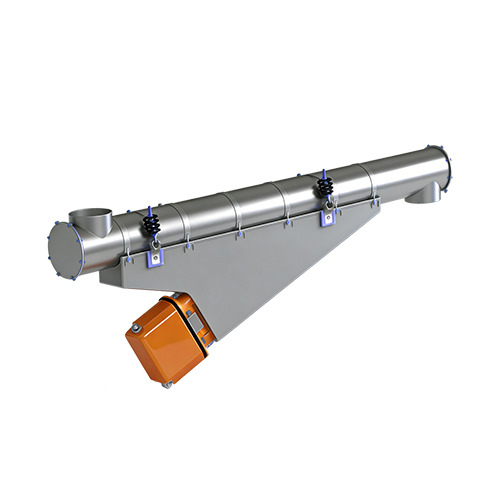
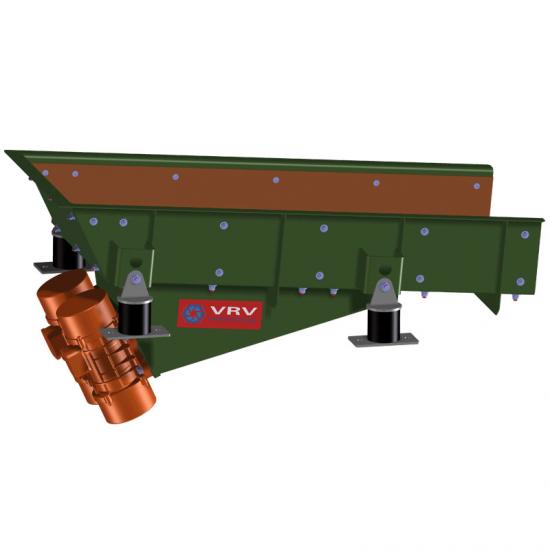
ในสภาพแวดล้อมการแปรรูปตะกรันเหล็กที่เต็มไปด้วยอนุภาคแหลมคมและมีฤทธิ์กัดกร่อนสูง ความน่าเชื่อถือจึงมีความสำคัญอย่างยิ่ง ผลิตภัณฑ์ของเราสายพานลำเลียงแบบสั่นสะเทือนด้วยแม่เหล็กไฟฟ้าไม่มีตลับลูกปืนหมุนหรือชุดเกียร์เหมือนในมอเตอร์แบบมาตรฐานทั่วไปสายพานลำเลียงแบบสั่นอุปกรณ์ที่มีชิ้นส่วนสึกหรอน้อยลง ช่วยลดภาระงานบำรุงรักษาลงอย่างมากสำหรับการดำเนินงานรีไซเคิลตะกรันอย่างต่อเนื่อง ผู้ปฏิบัติงานสามารถปรับปริมาณการป้อนได้อย่างราบรื่นผ่านแผงควบคุมเพื่อให้ตรงกับกำลังการผลิตของเครื่องแยกแม่เหล็ก โดยปรับให้เข้ากับปริมาณตะกรันเหล็กที่ผันผวนจากวงจรการบด
โทรหาเรา :
008617855911791 อีเมล : sales@vrvibratory.com


 รองรับเครือข่าย ipv6