


วัสดุจำนวนมากมาตรฐานหรือแบบกำหนดเอง
อะไรจะดีไปกว่าสำหรับโครงการของคุณ?
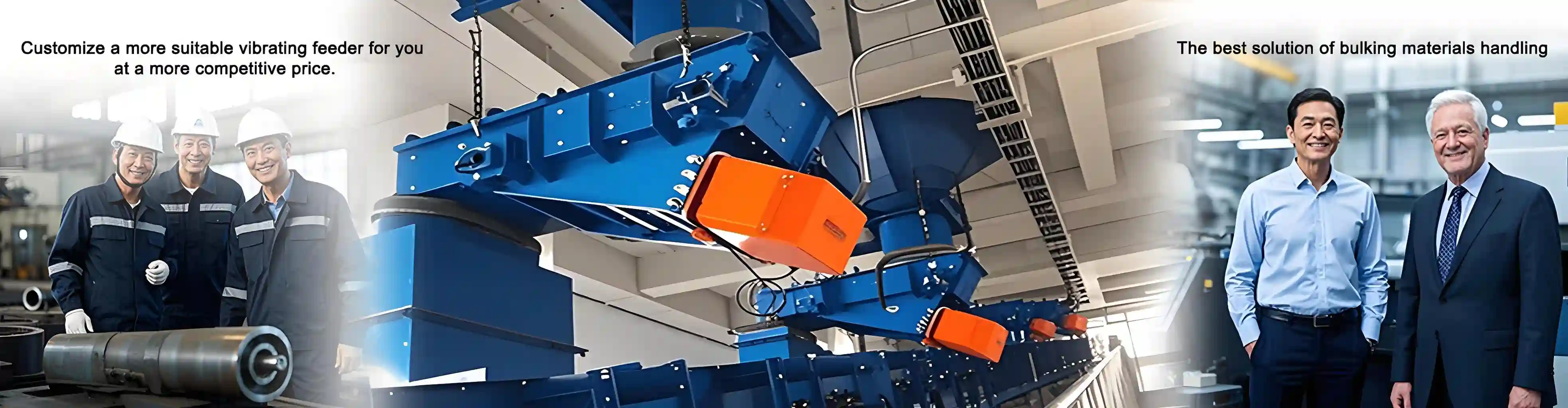
ในคู่มือนี้ เราจะอธิบายความแตกต่างระหว่างเครื่องป้อนแบบสั่นสะเทือนที่ทำจากเหล็กกล้าอ่อนและเหล็กกล้าไร้สนิม เพื่อช่วยให้คุณเลือกเครื่องที่เหมาะสมกับการใช้งานของคุณได้
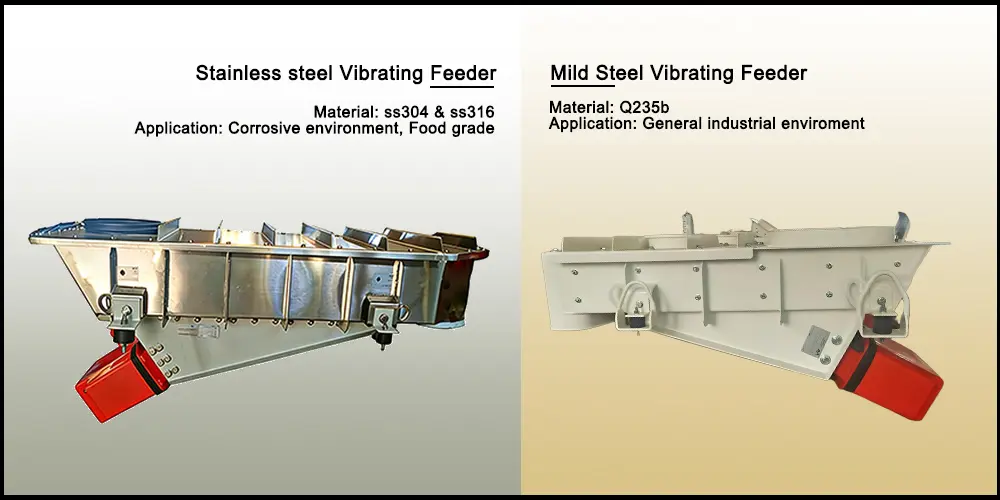
เครื่องป้อนแบบสั่นสะเทือนด้วยคลื่นแม่เหล็กไฟฟ้า: เหล็กกล้าอ่อน (Q235b) เทียบกับ เหล็กกล้าไร้สนิม (304/316L) – การเปรียบเทียบวัสดุและการใช้งาน
เหล็กกล้าอ่อน (หรือที่เรียกว่าเหล็กกล้าคาร์บอน) เป็นวัสดุมาตรฐานและประหยัดที่ใช้ในเครื่องป้อนแบบสั่นสะเทือนทั่วไป มีความแข็งแรงทางโครงสร้างที่ดีและใช้กันอย่างแพร่หลายในสภาพแวดล้อมอุตสาหกรรมหนักที่การกัดกร่อนและสุขอนามัยที่เข้มงวดไม่ใช่ปัญหาหลัก
- ง่ายต่อการกลึง เชื่อม และซ่อมแซม
- เหมาะสำหรับงานบรรทุกหนัก
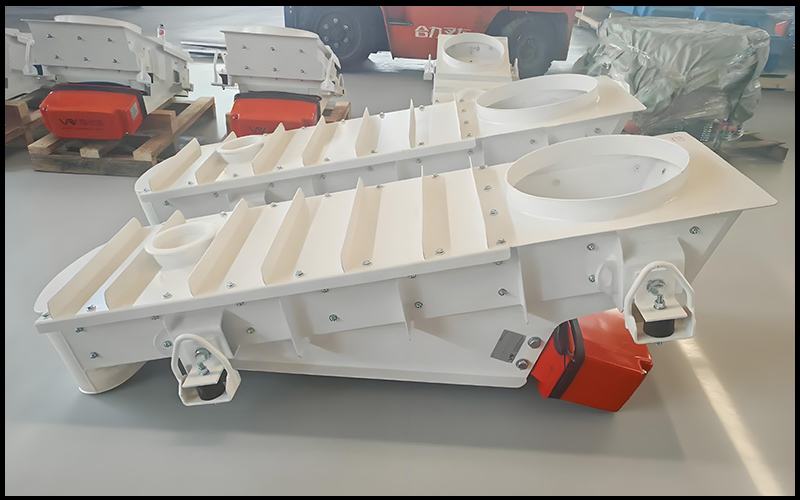
เครื่องป้อนวัสดุแบบสั่นสะเทือนด้วยแม่เหล็กไฟฟ้า เหล็กกล้าอ่อน (Q235b) – คุ้มค่าสำหรับการใช้งานในอุตสาหกรรมทั่วไป
- มีแนวโน้มที่จะเกิดสนิมและการกัดกร่อนในสภาพแวดล้อมที่ชื้นหรือมีฤทธิ์กัดกร่อน
- ไม่เหมาะสำหรับใช้ในอุตสาหกรรมอาหาร ยา หรือการใช้งานที่ต้องการความสะอาดสูง- จำเป็นต้องทาสีหรือเคลือบผิวเพื่อการป้องกันขั้นพื้นฐาน
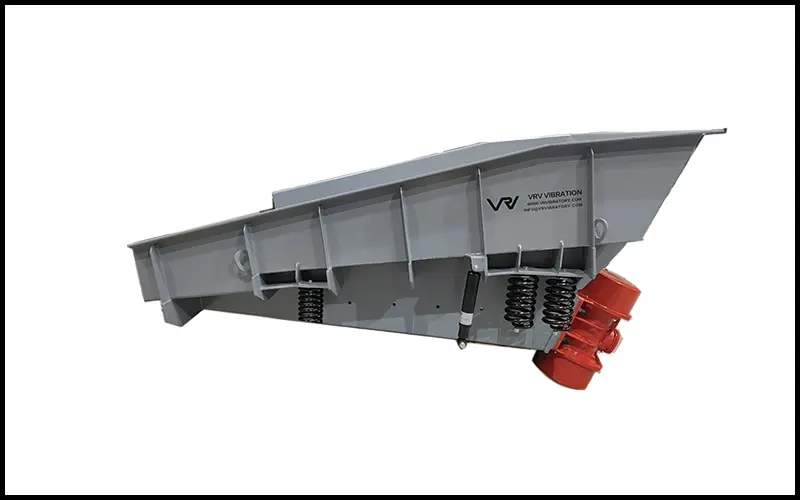
เครื่องป้อนวัสดุแบบสั่นสะเทือนด้วยคลื่นแม่เหล็กไฟฟ้าสำหรับงานหนัก ทำจากเหล็กกล้าอ่อน: สำหรับงานขนถ่ายวัสดุในอุตสาหกรรมเหมืองแร่และการก่อสร้าง
การทำเหมืองหิน การขุดหิน การก่อสร้าง ทรายและกรวด ถ่านหิน และอุตสาหกรรมอื่นๆ ที่ไม่กัดกร่อนและไม่ถูกสุขอนามัย
- ทนทานต่อการกัดกร่อนและสนิมได้ดีเยี่ยม - พื้นผิวเรียบ ทำความสะอาดง่าย - เป็นไปตามข้อกำหนดสำหรับอุตสาหกรรมอาหาร สุขอนามัย และเคมีภัณฑ์ - อายุการใช้งานยาวนานในสภาพแวดล้อมที่รุนแรง
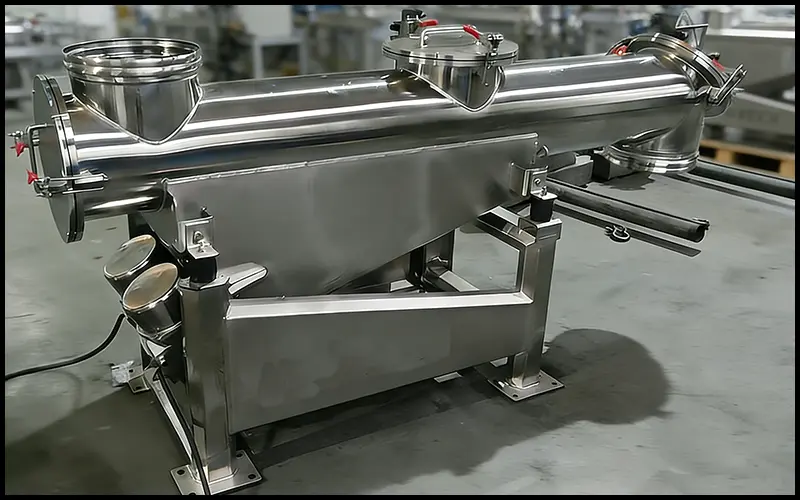
เครื่องป้อนวัสดุแบบสั่นสะเทือนด้วยคลื่นแม่เหล็กไฟฟ้า ทำจากสแตนเลส: ทนทานต่อการกัดกร่อน เหมาะสำหรับอุตสาหกรรมยาและสภาพแวดล้อมที่รุนแรง
- ต้นทุนวัสดุสูงกว่าเหล็กกล้าอ่อน - มีน้ำหนักมากกว่าในบางแบบ - ต้นทุนการผลิตสูงกว่า
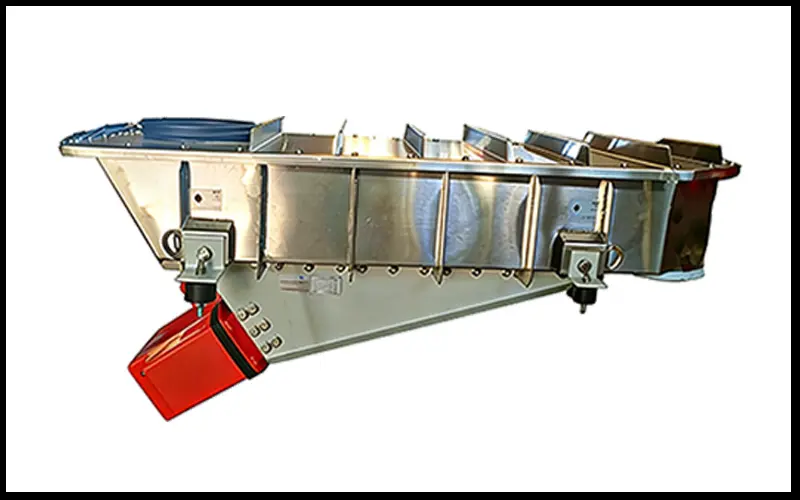
เครื่องป้อนวัสดุแบบสั่นสะเทือนด้วยแม่เหล็กไฟฟ้า ทำจากสแตนเลส (304/316L) – เหมาะสำหรับอุตสาหกรรมอาหารและเคมีภัณฑ์
รายการ
เครื่องป้อนแบบสั่นสำหรับเหล็กกล้าอ่อน
เครื่องป้อนแบบสั่นสะเทือนสแตนเลส
ค่าใช้จ่าย
ต่ำกว่า
สูงกว่า
ความต้านทานการกัดกร่อน
ยากจน
ยอดเยี่ยม
ระดับสุขอนามัย
มาตรฐาน
เกรดอาหาร/เภสัชกรรม
ความทนทาน
สูง (แต่ขึ้นสนิมง่าย)
สูงมาก
การบำบัดพื้นผิว
ทาสี / เคลือบ
ขัดเงา / ขัดมัน / เหมือนกระจก
อุตสาหกรรมทั่วไป
การทำเหมืองหิน การก่อสร้าง
อาหาร, ยา, เคมีภัณฑ์, การเดินเรือ
เครื่องป้อนแบบสั่นสะเทือนทั้งที่ทำจากเหล็กกล้าอ่อนและเหล็กกล้าไร้สนิมต่างก็มีประโยชน์สำคัญดังนี้: - เหล็กกล้าอ่อน เป็นทางเลือกที่ใช้งานได้จริงและคุ้มค่าสำหรับอุตสาหกรรมทั่วไป - เหล็กกล้าไร้สนิม มอบสุขอนามัย ความต้านทานการกัดกร่อน และความน่าเชื่อถือในระยะยาวสำหรับการใช้งานที่ต้องการความละเอียดอ่อน การเลือกใช้ที่เหมาะสมที่สุดขึ้นอยู่กับประเภทวัสดุ สภาพแวดล้อมการทำงาน มาตรฐานอุตสาหกรรม และงบประมาณของคุณ
ในฐานะผู้ผลิตเครื่องป้อนแบบสั่นสะเทือนระดับมืออาชีพในประเทศจีน VRV จัดจำหน่ายทั้งเหล็กกล้าอ่อนและเหล็กกล้าไร้สนิม เครื่องป้อนอาหารแบบสั่น ปรับแต่งได้อย่างเต็มที่ให้เหมาะสมกับกำลังการผลิต ขนาด และความต้องการของอุตสาหกรรมของคุณ หากคุณต้องการความช่วยเหลือในการตัดสินใจเลือกวัสดุที่เหมาะสมสำหรับโครงการของคุณ โปรดติดต่อทีมวิศวกรของเราเพื่อขอคำแนะนำฟรี
โทรหาเรา :
008617855911791 อีเมล : sales@vrvibratory.com


 รองรับเครือข่าย ipv6